Understanding Payment Gateway Webhooks and Their Role in Online Transactions
- Understanding Payment Gateway Webhooks and Their Role in Online Transactions
- Setting Up and Configuring Webhooks for Your Payment Gateway
- Common Use Cases and Real-World Applications of Payment Gateway Webhooks
- Troubleshooting and Handling Errors in Webhook Integrations
- Best Practices to Secure and Optimize Payment Gateway Webhooks for Your Business
What Are Payment Gateway Webhooks?
Payment gateway webhooks are automated messages sent from a payment processor to your website or application when specific events happen during online transactions. These messages notify you in real-time about important updates such as successful payments, payment failures, refunds, or chargebacks. Essentially, webhooks act as a bridge that connects your payment gateway with your system, keeping everything in sync without needing to constantly check for updates manually.
Unlike traditional APIs where your system requests information from the server, webhooks work by pushing data to your platform as events occur. This push-based method is more efficient, allowing your business to react promptly to transaction updates, which is especially critical in e-commerce environments where timely processing affects customer satisfaction.
How Do Webhooks Improve Online Transaction Management?
Webhooks simplify transaction management by automating communication between your payment system and backend processes. When a customer finishes a purchase, a webhook instantly sends details about the transaction status. This helps your business perform various tasks automatically, such as:
- Order Confirmation: Send a confirmation email as soon as a payment is approved.
- Inventory Updates: Adjust your stock levels without delay once a sale is completed.
- Fraud Detection: Get alerts for suspicious or refunded transactions to identify potential issues.
- Customer Notifications: Inform customers of payment failures, allowing them to retry quickly.
- Accounting Synchronization: Record transactions in your accounting software automatically, saving time and reducing errors.
This real-time connection ensures your system remains up to date with minimal manual effort.
Setting Up Payment Gateway Webhooks
To start receiving webhook notifications, you need to configure them correctly in your payment gateway account and set up an endpoint on your server to listen for incoming messages. Here’s a simple breakdown:
- Create an Endpoint URL: This is a specific URL on your server where the payment gateway will send webhook data.
- Register the Endpoint with the Payment Gateway: Log in to your payment gateway dashboard and provide your endpoint URL in the webhook settings.
- Specify Events to Listen For: Choose which transaction events you want notifications about, like payment success, refund, chargeback, or subscription renewal.
- Verify Webhook Authenticity: Implement security checks such as validating signatures sent with webhook payloads to ensure notifications come from the trusted payment gateway.
- Handle Incoming Data: Develop backend code to process the webhook payload and trigger relevant actions in your system.
Getting this process right helps your business respond automatically and accurately to all payment-related events.
Common Challenges and Best Practices
While webhooks offer many advantages, certain challenges come with their use. Handling webhooks requires attention to timing, security, and error management.
- Dealing with Delays: Sometimes network issues can cause webhooks to be delayed or missed. To address this, design your system to accept retries and validate webhook events to avoid processing duplicates.
- Ensuring Security: Protect your webhook endpoint with methods like validating request signatures or tokens. This prevents malicious actors from sending fake data that could disrupt your payment workflow.
- Reliable Processing: If your server fails to respond with a successful status code, some payment gateways will attempt to resend the webhook. Make sure your system gracefully handles these retries without duplication.
- Logging and Monitoring: Maintain logs of webhook activity to debug issues quickly and monitor real-time status of transactions.
Following these best practices will maintain the integrity and reliability of your payment process.
Why Webhooks Matter for Your Business
If you manage an online store, subscription service, or any platform that takes payments, integrating webhooks offers several crucial benefits:
- Speed: Immediate updates let you confirm orders instantly and respond faster to customers.
- Automation: No need for manual checks or batch updates—your system adapts automatically.
- Accuracy: Real-time payment data reduces errors and missed transactions.
- Customer Experience: Timely communication helps build trust and keeps customers informed about their payments.
- Scalability: As your business grows, webhooks help manage increasing transaction volumes without extra overhead.
In short, payment gateway webhooks act as a vital component, bridging the gap between your payment providers and your internal systems, helping you offer smooth, reliable, and efficient online payment experiences for your customers.
Getting Started Made Easy
Most major payment gateways, including Stripe, PayPal, and Square, provide detailed documentation to help you implement webhooks quickly. Start by exploring your provider’s dashboard, creating a secure webhook endpoint, and testing the connection with sample events. Many tools offer sandbox environments so you can safely develop and troubleshoot before going live.
By embracing webhooks, you take an essential step toward optimizing your online transactions and ensuring your business stays responsive and reliable in the fast-moving digital marketplace.
Setting Up and Configuring Webhooks for Your Payment Gateway
Understanding the Role of Webhooks in Payment Gateways
When managing online payments, it’s important to have an efficient way to receive real-time updates about transaction statuses. This is where webhooks come into play. Webhooks are automated messages sent from your payment gateway to your server when specific events occur, such as a successful payment, a refund, or a chargeback. Setting up and configuring these webhooks correctly helps you keep your system synchronized without repeatedly asking for updates.
Using webhooks not only helps you stay informed but also ensures seamless payment processing. Instead of manually checking the status of each transaction, your system can automatically react to changes, minimizing errors and improving customer experience. By setting up payment gateway webhooks, you empower your website or application to handle payments more efficiently.
Essential Requirements Before You Start
Before you begin configuring webhooks, you need to make sure of a few important requirements:
- A Secure Endpoint: You will need a URL on your server where the payment gateway can send the webhook notifications. This endpoint must support HTTPS to keep data encrypted and secure.
- Server Readiness: Your server should be capable of receiving incoming HTTP POST requests and processing the data accordingly.
- Valid Credentials: Access to your payment gateway’s dashboard or API management console is necessary to generate webhook URLs and manage events.
Having these essentials ready will streamline the setup process and help avoid common issues such as missed updates or security exposures.
Step-by-Step Guide to Enabling Webhooks
Once your prerequisites are in place, follow these steps to configure your payment gateway webhooks efficiently.
Create a Webhook Endpoint on Your Server
This step involves coding a handler in your backend system that can interpret the JSON or XML payload sent by the payment gateway. The endpoint should:
- Listen for incoming HTTP POST requests.
- Validate the authenticity of the request using secret keys or signatures provided by the payment gateway.
- Parse the payload to extract payment information, such as transaction ID, amount, and status.
- Update your database or notify your internal processes based on the event.
- Send an acknowledgment (usually a 200 OK) back to the payment gateway to confirm receipt.
Register the Endpoint with Your Payment Gateway
Login to your payment gateway’s dashboard and find the section dedicated to webhooks or notifications. Here’s what you typically need to do:
- Enter the full URL of the webhook endpoint you created.
- Select the events you want to subscribe to, such as payment succeeded, payment failed, or refund processed.
- Save and enable the webhook subscription to activate notifications.
Different gateways like Stripe, PayPal, or Square may have slightly differing interfaces but the core process remains similar.
Security Measures to Protect Your Webhooks
Security is a top priority when dealing with payment data. Protecting your webhook endpoint from spoofed requests or unauthorized access is vital. Here are key strategies to secure your webhook setup:
Verify Signatures
Most payment gateways attach a unique signature or token with each webhook post. Your server should verify this signature by comparing it with its own generated hash value, using your secret key. This process ensures that the requests really come from the payment gateway.
Use HTTPS
Always use HTTPS for your webhook URLs. This encrypts data in transit and prevents attackers from intercepting sensitive payment information.
Restrict Access
If possible, restrict incoming requests to only known IPs belonging to your payment gateway provider. This adds an extra layer of protection against malicious calls.
Testing Your Webhook Integration
Before going live, thoroughly test your webhook setup to ensure reliability and accuracy. Most payment gateways offer sandbox environments that simulate actual payment events and trigger webhooks.
- Send test payments and verify that your endpoint receives the correct notifications.
- Check that your system processes information accurately and updates statuses as expected.
- Inspect your logs for errors or retries to identify any missed or failed requests.
Testing helps you avoid costly errors in a live environment and builds confidence in your payment processing workflow.
Maintaining and Updating Webhook Configurations
Once set up, maintain your webhook system regularly. Payment gateways occasionally update their webhook formats or security policies—staying current ensures smooth operation. Additionally, monitor your webhook endpoint for downtime or unexpected failures. Using alerts or dashboards to track webhook health will let you respond quickly to any problems.
Regularly review your event subscriptions and adjust them as your business needs evolve. For example, you might want to stop receiving certain event notifications or add new ones when launching additional payment features.
With the right setup, configuring webhooks for your payment gateway can drastically improve the automation and security of your payment processes. By understanding the steps involved and prioritizing security, you can create a reliable system that keeps your business and customers moving forward smoothly.
Common Use Cases and Real-World Applications of Payment Gateway Webhooks
Understanding the Role of Payment Gateway Webhooks in E-Commerce
Payment gateway webhooks enable seamless communication between an online store’s backend and the payment processor by sending real-time notifications about transaction events. These webhooks play a crucial role in automating workflows and enhancing customer experience. Instead of relying on periodic polling to check payment status, webhooks push updates instantly, allowing businesses to respond swiftly to important events such as payment authorization, capture, refund, or chargebacks.
Triggering Automated Order Processing and Fulfillment
One of the most common uses of webhooks in payment gateways is to automate order processing. When a customer completes a purchase, the payment gateway sends a webhook to notify the merchant’s system about the successful payment. This allows the system to:
- Confirm order payment: Automatically mark orders as paid, eliminating manual checks.
- Initiate fulfillment: Trigger warehouse management or drop-shipping services to package and ship the product.
- Update inventory: Adjust stock levels in real-time to reflect the latest sales.
This automation reduces human error, accelerates order completion, and improves customer satisfaction by providing faster delivery updates.
Managing Subscription Payments and Recurring Billing
Webhooks are invaluable for companies offering subscription-based services. They inform the business about critical events such as subscription renewals, successful charges, failed payments, subscription cancellations, or upcoming expirations. With this information, companies can:
- Automate access control: Grant or revoke product or service access based on payment status.
- Send timely notifications: Alert customers about upcoming charges or failed payments, reducing involuntary churn.
- Update billing records: Keep accounting systems synchronized in real-time to reflect current subscription statuses.
Handling Refunds and Chargebacks Efficiently
Refunds and chargebacks are sensitive transaction events requiring immediate attention. Payment gateway webhooks notify businesses instantly when:
- A customer requests or receives a refund.
- A chargeback is initiated by the cardholder’s bank.
These alerts allow merchants to quickly update order statuses, communicate with customers or billing departments, and manage disputes promptly. For example, an automatic webhook-triggered email can inform a customer about the refund status, enhancing transparency and trust. Additionally, businesses can use this data to analyze patterns of chargebacks and implement fraud prevention measures.
Synchronizing Financial Data Across Platforms
Businesses often rely on several systems to manage orders, accounting, inventory, and customer relationships. Webhooks from payment gateways enable real-time synchronization of transaction data across these platforms. This synchronization includes:
- Updating sales figures in accounting software.
- Reflecting payment status in customer relationship management (CRM) tools.
- Triggering alerts for the finance team when large refunds or disputes occur.
By integrating webhooks into their software stack, companies minimize manual data entry errors and improve financial reporting accuracy.
Enhancing Security and Fraud Detection
Some advanced merchants use payment gateway webhooks to enhance security by immediately flagging suspicious activities. For example, if a payment gateway detects unusual payment patterns or potential fraud, it can send webhook notifications to the merchant’s security systems. These alerts enable businesses to:
- Pause order fulfillment on high-risk transactions.
- Request additional verification from customers before processing payments.
- Automatically block payments from suspicious accounts or locations.
This proactive approach helps minimize financial losses and protect both businesses and customers from fraud.
Real-Time Analytics and Customer Experience Improvements
Webhooks also feed live transactional data into analytics platforms, enabling businesses to gain immediate insights into sales trends, peak buying times, and customer behavior. For example, retail companies use webhook data to:
- Track real-time payment success rates.
- Analyze cart abandonment related to payment failures.
- Optimize marketing campaigns by understanding customer buying patterns.
Providing customers with timely updates about their payment status—whether successful, pending, or failed—via automated emails or SMS improves transparency. This direct communication reduces anxiety and support queries, ultimately enhancing the overall shopping experience.
Supporting Multiple Payment Methods and Currencies
With globalization, many businesses accept payments in various currencies and through multiple payment methods like credit cards, digital wallets, and bank transfers. Webhooks allow payment gateways to notify merchants about specific transaction details including currency used, payment source, and conversion rates. This helps businesses:
- Accurately record and reconcile multi-currency payments.
- Apply the correct tax rules based on payment origin.
- Tailor post-payment communications based on payment type.
Automating Compliance and Reporting
Regulations such as the Payment Card Industry Data Security Standard (PCI DSS) and regional tax laws require detailed transaction records. Webhooks contribute by instantly providing data needed for regulatory reports, audit trails, and tax filings. They also support automated compliance tasks, such as flagging payments requiring Know Your Customer (KYC) verification or generating reports for tax authorities, making legal adherence simpler and more reliable.
Ultimately, payment gateway webhooks empower businesses to build robust, automated, and synchronized payment ecosystems. They provide timely, actionable data that enhances operational efficiency, customer satisfaction, and security—making them indispensable for any modern online business.
Troubleshooting and Handling Errors in Webhook Integrations
Understanding Common Issues in Webhook Integrations
When working with payment gateway webhooks, encountering errors is part of the integration journey. These issues often arise due to connectivity problems, incorrect configurations, or unexpected payload formats. Grasping the common causes of webhook failures helps you respond quickly and keep your payment processes running smoothly.
Some frequent problems include:
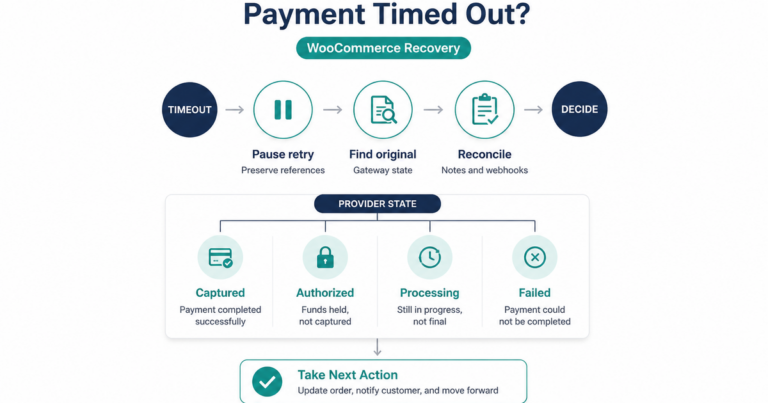
- Timeouts: Webhook endpoints sometimes take too long to respond, causing the payment gateway to flag the delivery as failed.
- Authentication Errors: If your webhook URL requires authentication, mistakes in tokens or headers can block incoming requests.
- Invalid Data Formats: Mismatches between the expected and received data structures can prevent your server from processing the webhook correctly.
- Network Interruptions: Unstable server connections can lead to dropped webhook notifications.
- Duplicate Events: Sometimes, the payment gateway may send the same webhook event multiple times, requiring idempotent processing on your end.
By identifying these typical pitfalls early on, you improve your ability to troubleshoot effectively.
Setting Up Proper Logging and Monitoring
Efficient handling of webhook errors starts with visibility. Implement comprehensive logging to capture all incoming webhook requests and the responses your system sends. Logging allows you to:
- Track the exact data received from the payment gateway.
- Monitor response times and identify slow handlers.
- Detect malformed payloads or unexpected status codes.
- Trace retry attempts or repeated failures for specific events.
Additionally, setting up alerts will notify you immediately when webhook deliveries fail, so you can react promptly before the failure impacts your users or business operations.
Validating and Securing Incoming Webhook Requests
Proper validation is vital for trusting and processing webhook data. Payment gateways usually provide signature headers or tokens to verify the authenticity of incoming requests. Here’s how you can handle this securely:
- Verify Signatures: Use cryptographic signatures sent by the payment provider to ensure the request is legitimate and untampered.
- Check Source IPs: Restrict webhook requests to trusted IP ranges when possible to reduce exposure to malicious traffic.
- Enforce HTTPS: Always use secure HTTPS endpoints to encrypt webhook data in transit.
- Reject Invalid Requests: Immediately discard requests that fail validation, returning an appropriate HTTP status code such as 401 or 403.
These security steps help avoid processing fake or harmful webhook calls that could disrupt your system.
Handling Retries and Duplicate Notifications Gracefully
When a webhook delivery fails or the payment gateway doesn’t receive a successful response, it often retries the event after some time. Your system must handle these retries intelligently:
- Idempotency: Design your webhook logic so that processing the same event multiple times does not create inconsistent states or duplicate records.
- Tracking Event IDs: Store unique event IDs from each webhook payload, checking if an event has already been processed before acting on it.
- Respond Quickly: Webhook endpoints should send a 2xx success response as soon as the event is accepted for processing to avoid unnecessary retries.
Implementing these practices ensures your system reliably handles real-time payment updates without errors or data duplication.
Debugging Failed Webhook Deliveries
If webhook events don’t trigger expected actions or fail altogether, a systematic debugging approach helps pinpoint the issue:
- Review Logs: Begin by examining your server logs for request details, response codes, and error messages.
- Test Webhook URLs: Use tools like curl or Postman to simulate webhook calls and observe how your endpoint behaves independently of the payment gateway.
- Check Firewall and Network Settings: Ensure your server accepts incoming requests on the designated webhook port and is not blocking traffic.
- Consult Gateway Dashboard: Most payment gateways offer event history panels showing failed webhook attempts with associated error details.
- Implement Retries and Backoff: Apply intelligent retry mechanisms if your system temporarily cannot process events due to internal errors.
Responding with Appropriate HTTP Status Codes
Your webhook endpoint’s responses communicate success or failure back to the payment gateway, influencing retries and monitoring alerts. Follow these guidelines:
- Return
200 OKor any 2xx status code when the event is successfully received and processed. - Use
400 Bad Requestfor invalid payload formats or missing required fields. - Respond with
401 Unauthorizedor403 Forbiddenif authentication or validation fails. - Send
500 Internal Server Errorfor unexpected server errors, prompting the gateway to retry later.
Providing meaningful HTTP responses helps gateways understand whether to resend events or treat them as handled.
Best Practices to Prevent Webhook Errors
To minimize issues before they happen, adopt these proactive strategies:
- Use Staging Environments: Test your webhook integration thoroughly in sandbox mode provided by the payment gateway.
- Keep Webhook Endpoints Simple: Avoid heavy processing in your webhook handler. Instead, queue events for asynchronous processing.
- Implement Versioning: Track webhook API versions to smoothly handle changes from the payment gateway provider.
- Document Your Flow: Maintain clear documentation of how your webhook integration behaves, making troubleshooting faster for your team.
By integrating these practices, you ensure a stable, scalable, and secure webhook setup that enhances your payment workflow’s reliability.
Leveraging Tools and Libraries for Easier Webhook Management
Several third-party tools and SDKs simplify webhook error handling. They often offer built-in features such as signature verification, automated retries, and structured logging. Examples include:
- Webhook Management Platforms: Services like Zapier or Pipedream can handle webhook routing and error retries automatically.
- Official SDKs: Use official payment gateway libraries that abstract webhook parsing and validation.
- Monitoring Services: Application performance monitoring (APM) tools can alert you to webhook failures in real time.
These solutions reduces manual troubleshooting effort, letting you focus on the core business logic of payments.
Managing webhook integrations effectively means anticipating errors, validating data carefully, and monitoring activity closely. By approaching webhook errors with the right tools and techniques, you keep your payment workflows reliable and your users
Best Practices to Secure and Optimize Payment Gateway Webhooks for Your Business
Understanding the Importance of Securing Payment Gateway Webhooks
Payment gateway webhooks play a crucial role in keeping your business’s payment processing smooth and efficient. They notify your systems instantly when events such as successful payments, refunds, or chargebacks happen. However, these notifications contain sensitive data and act as triggers for important business operations, which makes securing them vital. If left unprotected, webhooks can be exploited by attackers to send false data, compromise user accounts, or disrupt your payment workflows.
Ensuring the security and optimization of these webhooks not only protects your customers but also preserves your business reputation and helps maintain compliance with data protection regulations. Let’s explore actionable ways to safeguard and improve your webhook system.
Implement Authentication Mechanisms to Verify Source Authenticity
One of the first steps in securing webhooks is verifying that each request genuinely comes from your payment gateway provider. Most modern payment gateways support various authentication strategies. Here are some effective methods to consider:
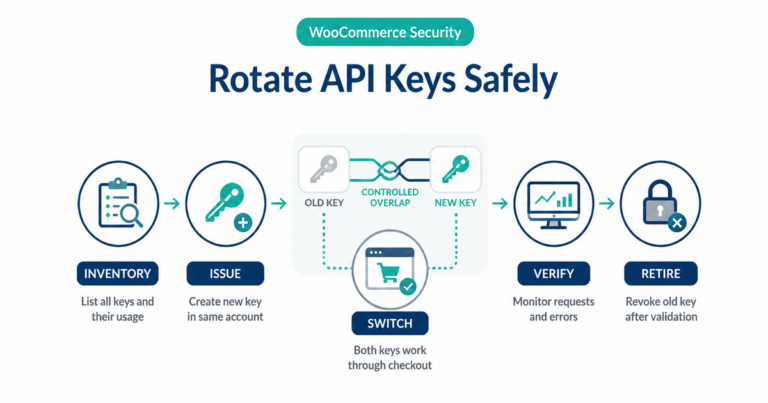
- Secret Keys: Use shared secret keys to sign webhook payloads. When your server receives the webhook, it recalculates the signature and compares it against the header sent by the gateway. If they don’t match, reject the request immediately.
- IP Whitelisting: Restrict incoming webhook requests to a predefined list of IP addresses used by the gateway. While IP ranges could change occasionally, regularly updating your whitelist can mitigate spoofed requests.
- OAuth and Tokens: Some gateways support token-based OAuth authentication, adding a secure layer that ensures only authorized requests are accepted.
By consistently verifying authenticity, you drastically reduce the chance of processing malicious or fake webhook data.
Validate Incoming Payloads with Precision
After authenticating the source, validating the webhook payload is equally important. Never trust incoming data blindly—you should always:
- Parse the payload to check for expected fields and data structures.
- Validate data types and allowed value ranges for each parameter.
- Sanitize any user or third-party inputs to prevent injection attacks or malformed data.
- Ignore or log unexpected or duplicate events to avoid redundant or harmful processing.
Well-validated payloads help maintain your system’s integrity and can prevent errors that disrupt your payment processes.
Use Secure, Reliable Endpoints and Environments
Your webhook endpoints act as gateways into your internal infrastructure. Ensuring they use HTTPS is non-negotiable—it encrypts data in transit and protects it from interception. Additionally, consider:
- Hosting webhook listeners on dedicated servers or microservices, minimizing exposure to unrelated parts of your application.
- Implementing rate limiting to defend against denial-of-service (DoS) attacks.
- Isolating webhook logic from your core business logic to prevent cascaded failures.
These measures reinforce the reliability and scalability of your webhook handling processes.
Design Idempotent Webhook Handlers for Robustness
Delivery of webhook events may happen multiple times or out of order due to network retries. To avoid processing the same event repeatedly—which can lead to duplicated charges or inaccurate records—it’s important to build idempotent webhook handlers.
- Use unique event IDs to track and recognize duplicates.
- Store processed event IDs temporarily in a fast-access data store like a cache or database.
- Ensure business operations triggered by webhooks can handle repeated requests without side effects.
This design pattern ensures your payment workflow remains consistent and reliable regardless of webhook delivery behavior.
Maintain Audit Logs and Monitor Webhook Activity
Keeping detailed logs of webhook requests and responses helps you troubleshoot problems and verify legitimate transactions. Key points include:
- Recording timestamps, payload contents, and authentication outcomes.
- Monitoring failed attempts or suspicious activity, such as repeated authentication failures or unexpected IPs.
- Setting up alerts for anomalies that may indicate attacks or system failures.
Proactive monitoring helps you detect and respond to threats quickly, maintaining smooth operations and customer trust.
Optimize Performance Without Sacrificing Security
While securing webhook endpoints is crucial, it’s also important to optimize how they integrate with your business systems for faster and more efficient processing.
- Respond promptly: Acknowledge webhook receipt quickly with a 200 OK status to prevent retries.
- Queue processing tasks: Instead of handling heavy operations synchronously, place webhook data into queues or background jobs.
- Scale infrastructure: Use load balancers and auto-scaling groups to handle spikes in webhook traffic smoothly.
- Test webhook handling regularly: Simulate various webhook events to verify both security and performance under different scenarios.
Balancing speed and security ensures your webhook system is reliable and ready to support your business growth.
Stay Up-to-Date with Gateway Provider Changes
Payment gateway providers occasionally update webhook formats, authentication methods, or IP addresses. Regularly reviewing their developer documentation and implementing necessary changes promptly keeps your webhook integration secure and compatible.
Subscribe to notifications or developer newsletters offered by your gateway provider, and incorporate versioning in your webhook handler to manage changes gracefully without service disruption.
By combining authentication, validation, careful endpoint management, and optimization strategies, you can secure and streamline payment gateway webhooks effectively. This not only protects your business but also provides a seamless payment experience for your customers.
Key Takeaway:
Payment gateway webhooks play a crucial role in modern online transactions by providing real-time communication between your payment system and your application. Understanding how these webhooks work is essential for any business aiming to streamline payment processing and improve customer experience. At their core, webhooks act as automated messages sent from the payment gateway to your server whenever specific events occur, such as a successful payment or a refund. This immediate notification allows your system to respond quickly and make updates without constantly checking the payment gateway, which enhances efficiency and accuracy.
Setting up and configuring webhooks might seem daunting at first, but with a clear step-by-step approach, it becomes manageable. You’ll need to define the event types you want to listen for and securely configure your server to receive and process webhook data. This setup ensures that your application reacts appropriately to payment events, keeps customer records up to date, and automates workflows like sending receipts or updating order statuses. The key is to follow the instructions provided by your payment gateway provider carefully, test thoroughly in a sandbox environment, and monitor your webhook endpoints regularly.
In real-world applications, payment gateway webhooks have many practical uses. They help automate order fulfillment, trigger email notifications to customers, update inventory, and confirm subscription renewals. By integrating webhooks effectively, businesses reduce manual work, cut down on errors, and accelerate the transaction process, leading to improved customer satisfaction.
Troubleshooting errors in webhook integration is common and manageable if you understand typical issues like incorrect endpoint URLs, authentication failures, and timeout errors. Logging webhook activity and responses helps identify what went wrong and allows you to react swiftly. Ensuring proper error handling by implementing retries and alerts prevents missed payments or data mismatches, which could otherwise disrupt business operations.
Securing and optimizing your payment gateway webhooks is vital for maintaining trust and protecting sensitive payment information. Use HTTPS to encrypt communication, validate incoming webhook data with signatures or tokens, and limit access to webhook endpoints. Following best practices, such as keeping logs and regularly updating your webhook configuration, ensures your system remains reliable and safe from unauthorized access.
By mastering the setup, use cases, troubleshooting, and security of payment gateway webhooks, you position your business to handle transactions smoothly, respond rapidly to payment events, and maintain a secure, efficient payment processing system. This not only improves operational workflows but also enhances your customers’ experience in a seamless and trustworthy way.
Conclusion
Mastering payment gateway webhooks opens up a new level of efficiency and automation for your online transactions. By understanding their role, you gain insights into how real-time communication between your payment system and server happens seamlessly. Setting up and configuring these webhooks correctly ensures you receive timely notifications about payment events, allowing your business to react swiftly.
Exploring common use cases shows you practical ways webhooks can improve order processing, payment confirmations, and customer notifications, providing a better experience to your users. When issues arise, knowing how to troubleshoot and manage errors gives you confidence in maintaining smooth operations without disruption.
Security and optimization are crucial as well. Implementing best practices protects your business from potential threats and maximizes the reliability of your webhook integrations.
Whether you are just starting out or looking to refine your existing setup, these strategies help you harness payment gateway webhooks to boost your business’s performance and reliability. Embracing this technology means you stay ahead in a fast-moving online payment world, delivering faster, safer, and more responsive services to your customers.